NAVA design score
What makes a great city flag?
The North American Vexillological Association (NAVA) identified 5 principles of great flag design. Here is what they mean in practice, illustrated by the 10 best-designed American city flags.
The 5 NAVA principles
1. Keep it simple
Simple enough for a child to draw from memory. A child should be able to recreate it with basic shapes.
2. Use meaningful symbolism
Colors and imagery should reflect the city's geography, history or values. No generic eagles or generic shields.
3. Two or three colors
Limit the palette to two or three colors that contrast well. More colors = more chaos.
4. No lettering or seals
Text is illegible from a distance. A seal is a picture of a picture of a picture: flag design, not stamp design.
5. Be distinctive
You should be able to identify the city from the flag alone. Avoid copying other flags, but use similarities to show connections.
Source: Ted Kaye, "Good Flag, Bad Flag: How to Design a Great Flag", NAVA, 2006.
The top 10 best-designed flags
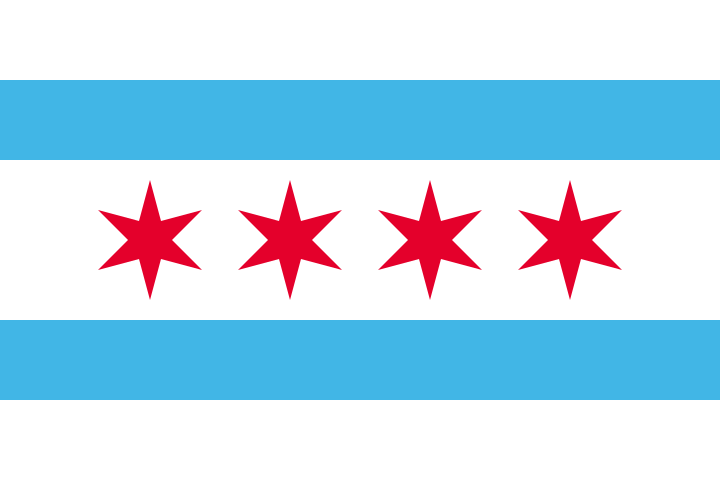
Chicago
Illinois
Four red stars, two blue stripes, a city that burns and rises again.
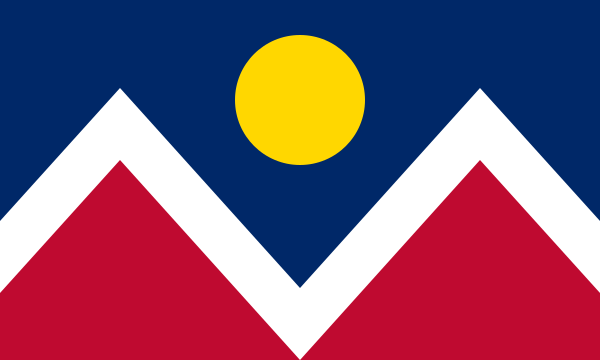
Denver
Colorado
A golden sun above white zigzag mountains, perfect simplicity.
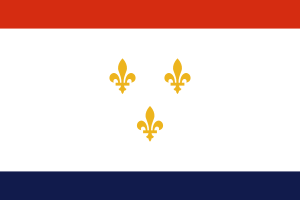
New Orleans
Louisiana
Three fleurs-de-lis on white, "The Big Easy," birthplace of jazz, Mardi Gras and resilience.

Phoenix
Arizona
A white phoenix on brown, the city that truly rises from its ashes.
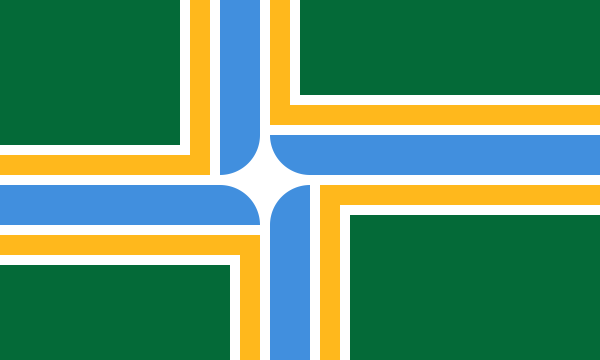
Portland
Oregon
A four-pointed star radiates in blue and yellow on a green field, the "City of Roses."
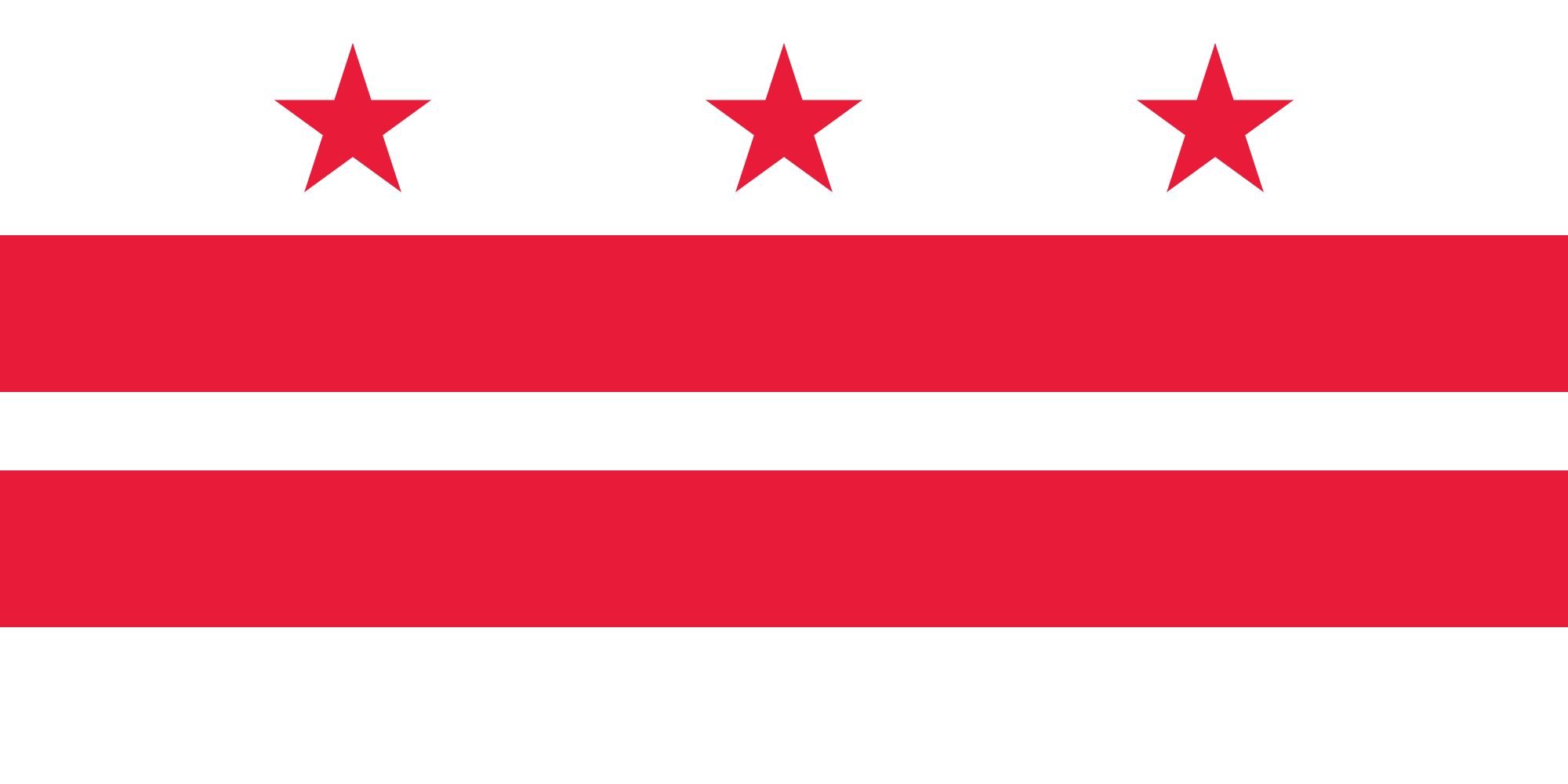
Washington
District of Columbia
Three red stars, two red bars, the arms of George Washington, a federal capital without a state.
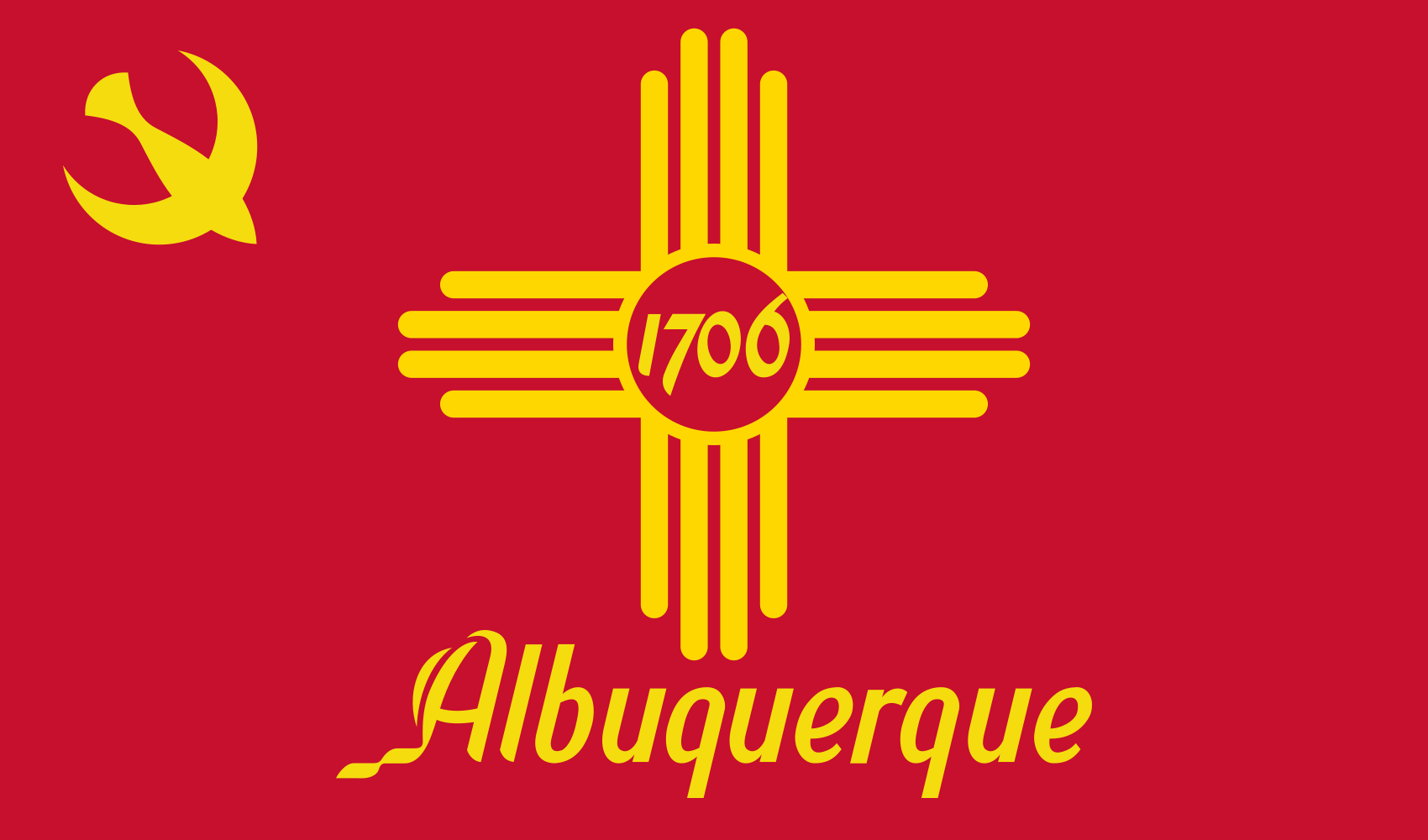
Albuquerque
New Mexico
The Zia sun symbol on yellow, Breaking Bad, hot-air balloons, a tricultural crossroads.
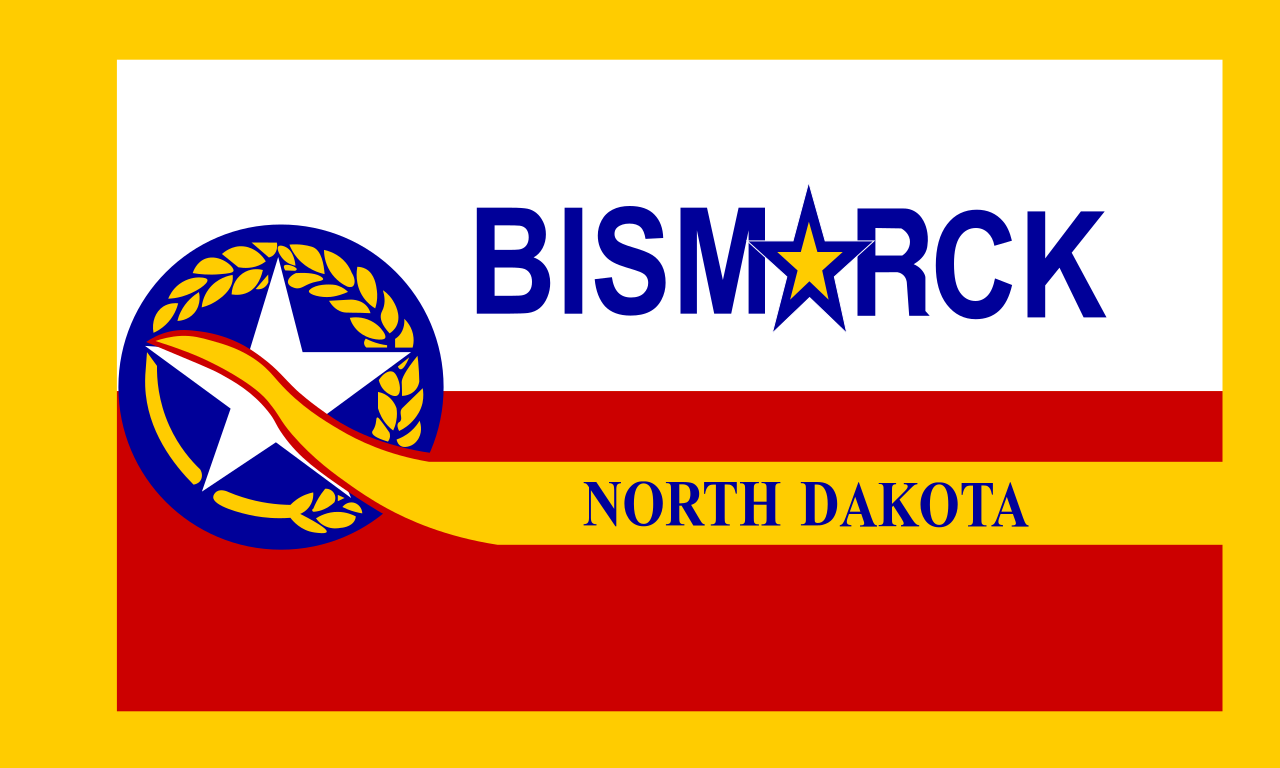
Bismarck
North Dakota
A golden cross, a red tipi and a white circle, capital of the Great Plains and the Bakken fields.
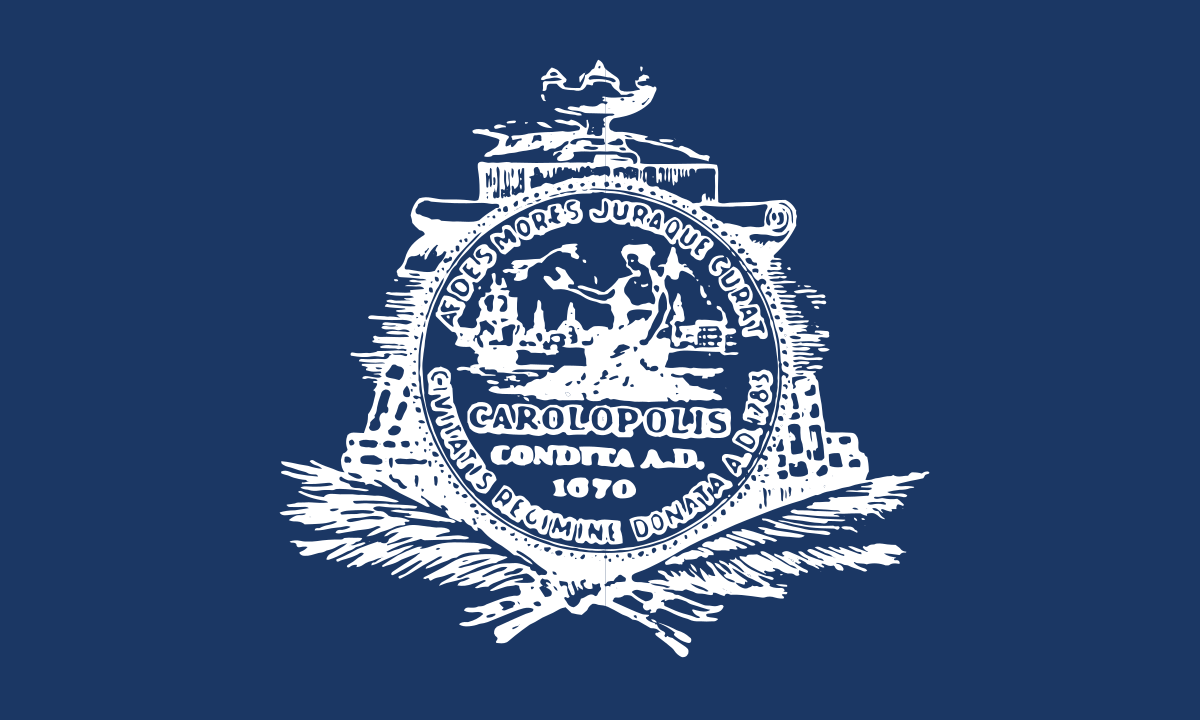
Charleston
South Carolina
Charleston, the historic pearl of the South, blends colonial architecture, harbor, sea breeze and painful memory in a flag with a strong identity.
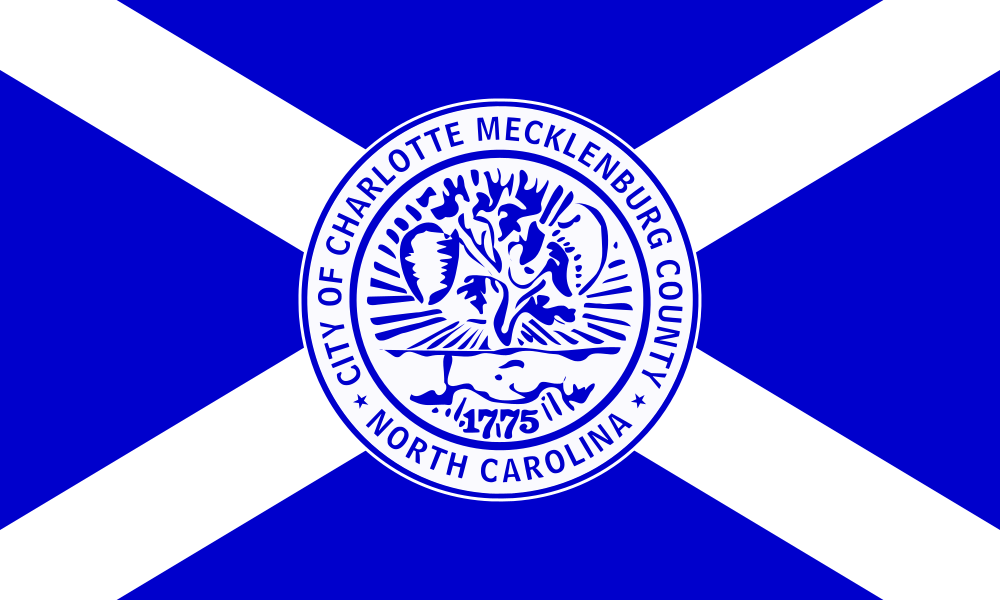
Charlotte
North Carolina
A crown on blue with green stripes, the "Queen City," America's second banking center.
Read the stories behind the flags
Every flag in the top 10 has a story worth knowing.